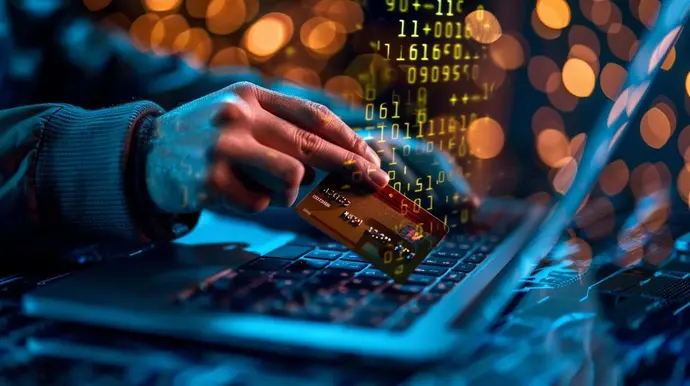
A scammer usually tries to rush you, confuse you, or make you act before you think. They may contact you by phone, text, email, social media, or even in person, and they often pretend to be someone trustworthy like a bank, government office, delivery company, or tech support agent.
2. The biggest red flags
One of the clearest warning signs is urgent pressure. A scammer may say you must act now, pay now, or lose access to money, an account, or a prize. They may also ask for private details such as passwords, PINs, bank information, or Social Security numbers, which honest companies usually do not ask for in a random message.
3. Money tricks scammers use
Scammers often want payment in ways that are hard to trace or reverse, such as gift cards, wire transfers, cryptocurrency, or payment apps. They may also promise easy money, fake jobs, or guaranteed returns on investments. If someone asks you to pay a fee before you can receive money, that is a strong warning sign.
4. Communication warning signs
Bad spelling, awkward grammar, strange email addresses, or messages that do not match the company’s real style can all be signs of fraud. Another common clue is when the person avoids normal verification or tells you not to tell anyone. Honest businesses are usually open, clear, and easy to verify.
5. How to stay safe
Take a pause before you respond, click, or pay. Check the person or company through an official website or known contact method, not the number or link they sent you. If a message feels rushed, secretive, or too good to be true, treat it as a scam until you confirm otherwise.
6. Simple rule to remember
A real company gives you time to verify, but a scammer wants fast action. If you feel pressure, fear, or excitement from a message, stop and check it first. That habit can save your money and protect your personal information.
richsweeps casino
Can Foreigners Gamble in the US? Complete 2026 Guide for International Visitors
Brazilian Rising Star Shocks Everyone by Winning Million-Euro Prize in Monte Carlo Poker World Welcomes a Super Dark Horse!
WPT Global Withdrawal Guide: Cashing Out Made Simple
How to Spot an Online Scammer: 6 Red Flags
Where Is Online Gambling Illegal in the USA? 2026 Complete State List
WPT Global Now Title Sponsor For Triton Poker Super High Roller Series
Rich Sweeps Casino Games Guide: Slots RTP Volatility and Game Rules Explained
Top Online Casino Apps of 2025
【2026年11月】今スマスロで打つなら何がいい?おすすめ機種ランキング
Payment Options at EVERYGAME Poker: Quick and Easy Transactions
rich sweeps
WPT Global Cow Boy:A Players Perspective
Use WPT Global Passport Dollars to Enter Triton High-Stakes Events
Qualify for Red Dragon Poker Tour Jeju 2025 via WPT Global Satellites
How to Gamble Safely Online: Tips to Stay in Control
Can You Play Real Money Online Casinos in the USA? A State-by-State Guide
Do Online Casinos Track Your Play?
2025 WSOP Explosion! New Formats + Huge Prizes Poker Players Must Not Miss It!
Is Online Gambling a Growing Public Health Issue in the US?
New Gambling Law for 2026: The 90% Loss Deduction Rule
When Was Online Gambling Banned in the USA? The Shocking Truth Revealed
rich sweeps
What is the origin of the name Roulette?
One Shot – Freezeout Tournament by WPT Global
Online Casino Scams Explained: Common Patterns in the USA
Can Foreigners Gamble in the US? Complete 2026 Guide for International Visitors
Eligible Countries for EVERYGAME Poker: Join the Action with bonus code
80/20 Rule in Gambling: Focus Your Edge for Bigger Wins
Cory Zeidman Pleads Guilty to Sports Betting Fraud Scheme
8 Common Online Scams and How to Spot Them
15 Red Flags That Prove a Website Is Scamming You (Spot Them Now)
How to Gamble Safely Online: Tips to Stay in Control
richsweeps casino
Cory Zeidman Pleads Guilty to Sports Betting Fraud Scheme
Who invented the game of roulette?
How to Spot Signs of Casino Scams and Rigged Platforms in the USA
WPT Global No Deposit Bonus 2025 – Try Real Online Poker Risk-Free
Which Countries Can Play WPTGlobal in 2024?
How to Spot a Fake Online Casino in 2026
Use WPT777 Bonus Code to Claim Your Special Offer at WPT Global
Payment Options at EVERYGAME Poker: Quick and Easy Transactions
How did the introduction of online casinos impact the game of roulette?
What is a Rake Chase?
FAQ
richsweeps casino
A Woman’s Guide to Selecting the Perfect Sex Toy
Cory Zeidman Pleads Guilty to Sports Betting Fraud Scheme
【2026年11月】今スマスロで打つなら何がいい?おすすめ機種ランキング
WSOP USA Top 8 FAQ
What are some famous roulette scandals and controversies throughout history?
Has Anyone Won Big on Online Gambling? Real Wins and What They Mean
WPT Global No Deposit Bonus 2025 – Try Real Online Poker Risk-Free
What is the origin of the name Roulette?
How has technology influenced the game of roulette?
Most Common Online Scams
rich sweeps
How to Win at Online Blackjack: Strategies for 2025
How to Spot Casino Scams: Online Gambling Safety USA Checklist for Players
How to Start Playing Online Poker in 2025: A Beginner’s Guide
Frank Stepuchin Leads 2024 WPT Seminole RRPO After Day 1
WPT Global Cow Boy:A Players Perspective
Is Your Online Casino Rigged? 8 Red Flags That Will Save You
Who Regulates Online Gambling in the US?
Paulius Plausinaitis Wins GGMillion$ SHR for $315054
15 Red Flags That Prove a Website Is Scamming You (Spot Them Now)
319回転で当たる確率
rich sweeps
Frank Stepuchin Leads 2024 WPT Seminole RRPO After Day 1
Is It Safe to Gamble Online? Key Risks and Safety Tips
Is Global Poker Legit?
Is Your Money Safe? Online Casino Security Exposed
Is Online Poker Rigged?
Do Online Casinos Track Your Play?
Timothy Chung: From Birthday Party to WPT Prime UK Champion
How to Tell If a Gambling Site Is Legit
Use WPT777 Bonus Code to Claim Your Special Offer at WPT Global
VPN for Online Gambling: Will It Work in 2026?
rich sweeps casino
WPT Global Spring Festival: $7000000 Guaranteed Prize Pool
Golden Bounty Championship: Your Weekly Shot at $100K on WPT Global
Top Online Poker Tournaments to Watch and Play in 2025
How to Win at Online Blackjack: Strategies for 2025
How to Spot an Online Scammer: 6 Red Flags
How to Check if a Casino Is Legit
Who Regulates Online Gambling in the US?
How Secure Is Online Gambling? Safety Tips to Know
WPT Global: The Premier Choice for Poker Players
2025年10月スロット新台一覧|鬼武者3・バベル・主役は銭形5を徹底解説
rich sweeps casino
US Online Gambling: Where You Can Play & What’s Legal Today
Safest Online Gambling Guide
Rich Sweeps Casino Guide: Platform Account Games and How It Works
Payment Options at EVERYGAME Poker: Quick and Easy Transactions
When Was Online Gambling Banned in the USA? The Shocking Truth Revealed
Everygame Poker Review: Your Guide to Online Poker
How to Win at Online Blackjack: Strategies for 2025
Online Casino Scams Explained: Common Patterns in the USA
A Woman’s Guide to Selecting the Perfect Sex Toy
スマスロで面白い台は?好み別の選び方を紹介
richsweeps casino
Can You Play Online Casinos in the USA? (2026 State List)
Do Online Casinos Really Pay Out Real Money? The Truth Revealed
Is Online Gambling a Growing Public Health Issue in the US?
How Secure Is Online Gambling? Safety Tips to Know
Why Online Casino Scams Follow Structural Patterns in the USA
What is the future of the game of roulette?
Top Online Casino Apps of 2025
Top 10 Scams to Watch Out For in 2026
How to Download WSOP NV
How to Start Playing Online Poker in 2025: A Beginner’s Guide
How Online Scams Work
<h2>How Does Online Scamming Work?</h2>
Online scamming works by using fake messages, fake websites, or fake people to trick someone into giving away money, passwords, or private details. Scammers often copy the look of real brands, banks, delivery companies, or support teams so their message feels trusted. They usually create urgency, fear, or excitement so people act fast before checking if it is real.
<h3>The Basic Scam Pattern</h3>
Most online scams follow the same pattern.
richsweeps
What is the future of the game of roulette?
スマスロ ミリオンゴッド導入日と見どころ
When and why was the double zero added to the American roulette wheel?
WPT Global’s Sunday Hyper PKO Showdown: Low Buy-In High Excitement
Use WPT Global Passport Dollars to Enter Triton High-Stakes Events
7 Deadly Signs Your Casino Is Rigged (Stop Playing Now!)
WPT Global Tournament Schedule 2025
How Secure Is Online Gambling? Safety Tips to Know
How to Tell If an Online Casino Is Rigged
WPT Global Casino: A Fun-Filled Adventure
rich sweeps casino
スマスロ ミリオンゴッド導入日と見どころ
When and why was the double zero added to the American roulette wheel?
How to Spot a Fake Online Casino in 2026
Rich Sweeps Casino Mobile Guide: Browser Access App Questions and Safe Mobile Play
Rich Sweeps Casino Review: Safety Games Account Rules and Player Checklist
New Gambling Law for 2026: The 90% Loss Deduction Rule
The Thrilling Race for WPT Season 22 Player of the Year at Wynn Las Vegas
Cory Zeidman Pleads Guilty to Sports Betting Fraud Scheme
How to Check if a Casino Is Legit
WPT Global Tournament Schedule 2025
richsweeps
2025 WSOP Explosion! New Formats + Huge Prizes Poker Players Must Not Miss It!
Rich Sweeps Casino Mobile Guide: Browser Access App Questions and Safe Mobile Play
Who invented the game of roulette?
Is Your Money Safe? Online Casino Security Exposed
Doug Polk Faces Backlash Over Playing in His Own Tournaments at The Lodge
US Online Gambling: Where You Can Play & What’s Legal Today
WPT Global’s Sunday Hyper PKO Showdown: Low Buy-In High Excitement
Is Online Gambling a Growing Public Health Issue in the US?
WPT Global Newest Promo: Ticket to Some Additional Play Money
How to Spot a Fake Gambling Site
rich sweeps
How to Start Playing Online Poker in 2025: A Beginner’s Guide
Will Cash App Refund Scammed Money?
Rich Sweeps Casino Mobile Guide: Browser Access App Questions and Safe Mobile Play
Eligible Countries for EVERYGAME Poker: Join the Action with bonus code
US Online Gambling: Where You Can Play & What’s Legal Today
Online Gambling in the US: Is It Illegal?
【2026年】ジャグラー新台は『マイジャグラーⅥ』!導入日・スペックまとめ
Top Online Casino Apps of 2025
Is Global Poker Real Money?
How to Spot Casino Scams: Online Gambling Safety USA Checklist for Players
Spot Scams Fast: Save Your Cash Now
Scams trick millions yearly—FTC reported over $10 billion lost in 2024 alone. Spot them fast by checking for pressure tactics, like “Act now or lose your account!” Example: A fake bank email demands your password right away. Don’t click links; call the bank using a number from their official site.
Verify sources every time. Scammers spoof caller IDs or use Gmail for “IRS” emails. Real companies have verified websites with contact pages—check there.
rich sweeps casino
How Secure Is Online Gambling? Safety Tips to Know
WPT Prime Championship Returns with Jereld Sam Shining
2026年4月のスロット新台一覧!ミリオンゴッド最新作も登場
90% of Gamblers Quit Before They Hit It Big? The Truth Exposed
Paulius Plausinaitis Wins GGMillion$ SHR for $315054
パチンコ95000発規制はいつまで?コンプリート機能の最新情報を解説
Phil Ivey Hosts Festive Meet-Up Game at Wynn Las Vegas This December
New Rules for WSOP Paradise: Electronic Devices and Real-Time Assistance
How to Tell if an Online Casino Is Real or Fake
Qualify for the WPT Global Main Event via Low Buy-In Satellites
richsweeps casino
Top Legit US Online Casinos 2026: Safe & Licensed Winners
Payment Options at EVERYGAME Poker: Quick and Easy Transactions
Who Regulates Online Gambling in the USA?
Why Online Casino Scams Follow Structural Patterns in the USA
Play Online Poker on Android: The 2025 Guide
2025 WSOP Explosion! New Formats + Huge Prizes Poker Players Must Not Miss It!
How to Spot a Fake Online Casino in 2026
When and where was the game of roulette first played?
Bitstarz no deposit bonus up to 5 BTC and 200 free spins
One Shot – Freezeout Tournament by WPT Global
richsweeps
How to Win at Online Slots in 2025 with WPT Global
How to Win at Online Blackjack: Strategies for 2025
Rich Sweeps Casino Games Guide: Slots RTP Volatility and Game Rules Explained
Top No Deposit Bonus Casinos in 2025: Play and Win Without Spending a Dime
2025 WSOP Explosion! New Formats + Huge Prizes Poker Players Must Not Miss It!
WPT Global Casino: A Fun-Filled Adventure
How to Spot a Fake Gambling Site
WPT Global Million Sunday Hyper PKO Showdown: Event Details & Guide
Is Global Poker Legit?
319回転で当たる確率
richsweeps casino
Qualify for the WPT Global Main Event via Low Buy-In Satellites
What were the original rules and betting options for roulette?
Top Online Poker Tournaments to Watch and Play in 2025
What is TP in WPT poker?
One Shot – Freezeout Tournament by WPT Global
パチンコ95000発規制はいつまで?コンプリート機能の最新情報を解説
4 Scams That Steal Millions in 2026 – Protect Yourself Now
How to Spot Fake Casinos
Is It Safe to Gamble Online? Key Risks and Safety Tips
No Deposit Free Spins at WPT Global – Play Without Spending
Are Casinos Rigged? 7 Clear Signals to Watch For
How to Know If a Casino Is Rigged: 7 Simple Signs Every Player Should Watch For Enjoying a casino game should feel exciting, not scary. But sometimes, a casino might not be fair. While real casinos use special computer programs called Random Number Generators (RNGs) to make sure every game result is random, fake casinos change the software to make players lose more. Here are 7 easy signs that help you spot a rigged casino before you add your money.
rich sweeps casino
Do Online Casinos Track Your Play?
Rich Sweeps Casino Guide: Platform Account Games and How It Works
What role did roulette play in popular culture such as movies and literature?
Safest Online Gambling Guide
Can You Play Online Casinos in the USA? (2026 State List)
Do Online Casinos Pay Out?
What is TP in WPT poker?
How to Tell If a Gambling Site Is Legit
Safest New Online Casinos USA 2026: Top Secure Sites Revealed
Is Global Poker Real Money?
rich sweeps
New Rules for WSOP Paradise: Electronic Devices and Real-Time Assistance
Do Online Casinos Pay Out?
Which Countries Can Play WPTGlobal in 2024?
WPT Global Cow Boy:A Players Perspective
Why Normal Casino Behavior Is Often Mistaken for Online Scams
The best guide: how to playing poker online
Top No Deposit Bonus Casinos in 2025: Play and Win Without Spending a Dime
How to Check if a Casino Is Legit
Use WPT777 Bonus Code to Claim Your Special Offer at WPT Global
Where Is Online Gambling Illegal in the USA? 2026 Complete State List
richsweeps casino
Top 3 Scams to Watch For and How to Avoid Them
WPT Global Cow Boy:A Players Perspective
How to Download WSOP NV
How to Download Register and Master WPT Global: 2025 Ultimate Guide
スマスロで面白い台は?好み別の選び方を紹介
スマスロ ヴヴヴ2はいつ導入?
WPT Prime Championship Returns with Jereld Sam Shining
Can Online Slots Be Manipulated? Truth & Safety Tips
Is Online Gambling a Growing Public Health Issue in the US?
VPN for Online Gambling: Will It Work in 2026?
richsweeps
The best guide: how to playing poker online
How to Tell If a Gambling Site Is Legit
Payment Options at EVERYGAME Poker: Quick and Easy Transactions
Has Anyone Won Big on Online Gambling? Real Wins and What They Mean
Is Global Poker Legit?
Can You Play Real Money Online Casinos in the USA? A State-by-State Guide
WPT Global ¥110 CN¥ Million Sunday Hyper PKO Showdown
Is Your Online Casino Rigged? 8 Red Flags That Will Save You
What is the future of the game of roulette?
WPT Prime Championship Returns with Jereld Sam Shining
Who Regulates Online Gambling in the US?
Who Regulates Online Gambling in the United States? Online gambling in the United States is regulated mainly by state governments, not by one single national agency. That means the rules can change a lot from one state to another. For example, New Jersey, Pennsylvania, Michigan, and Connecticut allow some forms of online gambling, while states like Utah and Hawaii largely ban gambling activities altogether. This state-by-state system makes the U.S. market large, but also very uneven and complex.
rich sweeps
WPT Prime Championship Returns with Jereld Sam Shining
WPT Global Cow Boy:A Players Perspective
How to Avoid Casino Scams: 9 Warning Signs
How to Gamble Safely Online: Tips to Stay in Control
2025 WSOP Explosion! New Formats + Huge Prizes Poker Players Must Not Miss It!
Most Common Online Scams
Shevliakov’s Comeback Wins Million-Euro Prize! How Did an Amateur Shock Everyone at the EPT Monte Carlo?
Top Legit US Online Casinos 2026: Safe & Licensed Winners
Who Has the Most WSOP Bracelets?
Rich Sweeps Casino Guide: Platform Account Games and How It Works
rich sweeps casino
Why Normal Casino Behavior Is Often Mistaken for Online Scams
Qualify for Red Dragon Poker Tour Jeju 2025 via WPT Global Satellites
When and where was the game of roulette first played?
How to Win at Online Blackjack: Strategies for 2025
Who Regulates Online Gambling in the US?
How to Spot a Fake Online Casino in 2026
A Woman’s Guide to Selecting the Perfect Sex Toy
How to Spot Signs of Casino Scams and Rigged Platforms in the USA
Brazilian Rising Star Shocks Everyone by Winning Million-Euro Prize in Monte Carlo Poker World Welcomes a Super Dark Horse!
Shevliakov’s Comeback Wins Million-Euro Prize! How Did an Amateur Shock Everyone at the EPT Monte Carlo?
richsweeps
Timothy Chung: From Birthday Party to WPT Prime UK Champion
80/20 Rule in Gambling: Focus Your Edge for Bigger Wins
How has technology influenced the game of roulette?
How to Spot Signs of Casino Scams and Rigged Platforms in the USA
WPT Global Bonus Terms: Cashing In Made Simple
How to Avoid Casino Scams: 9 Warning Signs
Doug Polk Faces Backlash Over Playing in His Own Tournaments at The Lodge
How to Spot an Online Scammer: 6 Red Flags
Can Online Slots Be Manipulated? Truth & Safety Tips
How to Spot a Fake Online Casino in 2026
rich sweeps casino
Shevliakov’s Comeback Wins Million-Euro Prize! How Did an Amateur Shock Everyone at the EPT Monte Carlo?
How to win at slots Tricks to improve your odds
Top 5 Online Casinos of 2025: Where to Play and Win Big
Top Legit US Online Casinos 2026: Safe & Licensed Winners
No Deposit Free Spins at WPT Global – Play Without Spending
How Secure Is Online Gambling? Safety Tips to Know
US Online Gambling: Where You Can Play & What’s Legal Today
Can You Play Real Money Online Casinos in the USA? A State-by-State Guide
WPT Global Bonus Terms: Cashing In Made Simple
How to Spot Signs of Casino Scams and Rigged Platforms in the USA
Who invented the game of roulette?
Who invented the game of roulette? The exact origins of roulette are a subject of much debate and speculation among historians and gambling enthusiasts. While there is no clear consensus on the game’s inventor, several theories exist regarding its creation.
One of the most popular theories is that the game was invented by a French mathematician named Blaise Pascal in the 17th century. According to this theory, Pascal was attempting to develop a perpetual motion machine when he inadvertently created the roulette wheel.
richsweeps casino
Rich Sweeps Casino Mobile Guide: Browser Access App Questions and Safe Mobile Play
One Shot – Freezeout Tournament by WPT Global
Online Casino Scams Explained: How to Spot Casino Scams and Improve Online Gambling Safety in the USA
How Secure Is Online Gambling? Safety Tips to Know
What is TP in WPT poker?
How to Spot Casino Scams: Online Gambling Safety USA Checklist for Players
Is It Safe to Gamble Online? Key Risks and Safety Tips
New Rules for WSOP Paradise: Electronic Devices and Real-Time Assistance
Doug Polk Faces Backlash Over Playing in His Own Tournaments at The Lodge
Is Your Money Safe? Online Casino Security Exposed
richsweeps
Why Online Casino Scams Follow Structural Patterns in the USA
Golden Bounty Championship: Your Weekly Shot at $100K on WPT Global
How to Win at Online Slots in 2025 with WPT Global
The best guide: how to playing poker online
Use WPT777 Bonus Code to Claim Your Special Offer at WPT Global
WPT Global vs GGPoker: Which Poker Platform Should You Choose in 2025?
2026年4月のスロット新台一覧!ミリオンゴッド最新作も登場
Timothy Chung: From Birthday Party to WPT Prime UK Champion
WPT Global Bonus Terms: Cashing In Made Simple
How to Gamble Safely Online: Tips to Stay in Control
richsweeps casino
パチンコ95000発規制はいつまで?コンプリート機能の最新情報を解説
WPT Global Newest Promo: Ticket to Some Additional Play Money
Spotting Online Scams: 10 Clear Warning Signs You Can Trust
WPT Global ¥110 CN¥ Million Sunday Hyper PKO Showdown
How to Check if a Casino Is Legit
WPT World Championship 2024 Kicks Off at Wynn Las Vegas: What to Expect
How to Spot Fake Casinos
Brazilian Rising Star Shocks Everyone by Winning Million-Euro Prize in Monte Carlo Poker World Welcomes a Super Dark Horse!
スマスロ ヴヴヴ2はいつ導入?
The best guide: how to playing poker online
rich sweeps casino
Golden Bounty Championship: Your Weekly Shot at $100K on WPT Global
11 best poker apps and games for Android
One Shot – Freezeout Tournament by WPT Global
7 Dead-Simple Ways to Spot Legit Online Casinos (No More Scams!)
Use WPT777 Bonus Code to Claim Your Special Offer at WPT Global
Can Foreigners Gamble in the US? Complete 2026 Guide for International Visitors
The Thrilling Race for WPT Season 22 Player of the Year at Wynn Las Vegas
Top Online Casino Apps of 2025
スマスロ ミリオンゴッド導入日と見どころ
WPT Global vs GGPoker: Which Poker Platform Should You Choose in 2025?
How to Gamble Safely Online: Tips to Stay in Control
Online gambling can be fun and convenient, but it can also become risky if you don’t set clear limits. In 2023, the UK Gambling Commission found that around 13% of online gamblers reported spending more than they intended, highlighting how easy it is to lose track of money. To stay safe, treat gambling as entertainment, not a way to make money, and decide in advance how much you are comfortable spending and for how long you will play.
richsweeps casino
Who Regulates Online Gambling in the US?
11 best poker apps and games for Android
Where Can You Play WPT Global? Supported Countries & Platform Highlights
What are some famous roulette scandals and controversies throughout history?
Top 5 Scams of 2026: Imposter Crypto Phishing Deepfake & Romance
Top Legit US Online Casinos 2026: Safe & Licensed Winners
How has technology influenced the game of roulette?
Rich Sweeps Casino Games Guide: Slots RTP Volatility and Game Rules Explained
Where Is Online Gambling Illegal in the USA? 2026 Complete State List
Paulius Plausinaitis Wins GGMillion$ SHR for $315054
richsweeps casino
2025 WSOP Explosion! New Formats + Huge Prizes Poker Players Must Not Miss It!
Are Online Casinos Safe to Play? The 2026 Truth Revealed
What is the future of the game of roulette?
Are Casinos Rigged? 7 Clear Signals to Watch For
How to Download Register and Master WPT Global: 2025 Ultimate Guide
Safest New Online Casinos USA 2026: Top Secure Sites Revealed
Do Online Casinos Really Pay Out Real Money? The Truth Revealed
Top 5 Online Casinos of 2025: Where to Play and Win Big
Play Online Poker on Android: The 2025 Guide
Is Online Gambling a Growing Public Health Issue in the US?
rich sweeps casino
Who Regulates Online Gambling in the USA?
スマスロで面白い台は?好み別の選び方を紹介
2025年2月新台パチンコ一挙公開!注目機種と導入スケジュールまとめ
Rich Sweeps Casino Review: Safety Games Account Rules and Player Checklist
Golden Bounty Championship: Your Weekly Shot at $100K on WPT Global
Use WPT777 Bonus Code to Claim Your Special Offer at WPT Global
Is Online Gambling a Growing Public Health Issue in the US?
How to Download Register and Master WPT Global: 2025 Ultimate Guide
Payment Options at EVERYGAME Poker: Quick and Easy Transactions
WPT Global Newest Promo: Ticket to Some Additional Play Money
richsweeps
Online Casino Welcome Bonus No Deposit 2025
Where Is Online Gambling Illegal in the USA? 2026 Complete State List
スマスロで面白い台は?好み別の選び方を紹介
Which Countries Can Play WPTGlobal in 2024?
How has technology influenced the game of roulette?
スマスロ ヴヴヴ2はいつ導入?
Top Online Poker Tournaments to Watch and Play in 2025
80/20 Rule in Gambling: Focus Your Edge for Bigger Wins
The Daily Prime Tournaments from WPT Global
Most Trusted Online Casino: WPT Global
Most Common Online Scams
Online scams are common because they use everyday habits like checking email, shopping online, or chatting on social media. One of the most common types is phishing, where scammers send fake emails, texts, or messages that look real and try to steal passwords, bank details, or one-time codes. For example, a message may pretend to be from a bank and ask you to “verify” your account by clicking a link.
richsweeps
【2026年】ジャグラー新台は『マイジャグラーⅥ』!導入日・スペックまとめ
スマスロで面白い台は?好み別の選び方を紹介
WPT Global: The Premier Choice for Poker Players
New Rules for WSOP Paradise: Electronic Devices and Real-Time Assistance
Online Casino Scams FAQ: How to Spot Casino Scams Rigged Signs and Blacklisted Sites
How Online Scams Work
Why Normal Casino Behavior Is Often Mistaken for Online Scams
How to Tell If an Online Casino Is Rigged
319回転で当たる確率
Where Is Online Gambling Illegal in the USA? 2026 Complete State List
rich sweeps
Is It Safe to Gamble Online? Key Risks and Safety Tips
WPT World Championship 2024 Kicks Off at Wynn Las Vegas: What to Expect
【2026年】ジャグラー新台は『マイジャグラーⅥ』!導入日・スペックまとめ
What is the future of the game of roulette?
WSOP USA Top 8 FAQ
Top No Deposit Bonus Casinos in 2025: Play and Win Without Spending a Dime
How to Spot a Scammer
Is Online Gambling a Growing Public Health Issue in the US?
What are some famous roulette scandals and controversies throughout history?
Rich Sweeps Casino Guide: Platform Account Games and How It Works
richsweeps casino
Why Normal Casino Behavior Is Often Mistaken for Online Scams
Has Anyone Won Big on Online Gambling? Real Wins and What They Mean
Timothy Chung: From Birthday Party to WPT Prime UK Champion
Phil Ivey Hosts Festive Meet-Up Game at Wynn Las Vegas This December
Do Online Casinos Pay Out?
Most Trusted Online Casino: WPT Global
How to Tell if an Online Casino Is Real or Fake
Martin Tsvetanov Wins Record-Breaking Eureka Main Event at EPT Prague
Discover the safest new online casinos in the USA for 2026. Learn why BetMGM FanDuel DraftKings and Caesars are trusted by millions with 256-bit SSL encryption state licenses and verified fast payouts.
The origin of the name “roulette” is French and it means “little wheel”. The name is derived from the fact that the game is played on a small wheel that spins around with players betting on where the ball will land. The word “roulette” was first used in its current context in the 18th century although the game itself dates back much earlier.
Discover WPT Global’s Million Sunday Hyper PKO Showdown an electrifying online poker event featuring a huge guaranteed prize pool easy entry and thrilling gameplay. Learn how to enter free and why WPT Global is a trusted leader in online gaming.
Learn all about Hyper Dash – a series of fast-paced action-packed poker tournaments on WPT Global. This guide covers how it works how to join gameplay strategies and tips for managing your time and bankroll for maximum success.
Learn quick ways to spot scam red flags like pressure tactics and fake emails. Real examples and free tools help you stay safe from frauds costing billions yearly.
Scammer Red Flags: How to Spot Fraud Fast Rich Sweeps Casino – Games, Account & Player Guide
rich sweeps
2025年10月スロット新台一覧|鬼武者3・バベル・主役は銭形5を徹底解説
US Online Gambling: Where You Can Play & What’s Legal Today
Rich Sweeps Casino Review: Safety Games Account Rules and Player Checklist
Cory Zeidman Pleads Guilty to Sports Betting Fraud Scheme
Is Online Poker Rigged?
Which Countries Can Play WPTGlobal in 2024?
Rich Sweeps Casino Games Guide: Slots RTP Volatility and Game Rules Explained
How to Tell If an Online Casino Is Legit
WPT Global Cow Boy:A Players Perspective
Why Online Casino Scams and Legitimate Platforms Look Similar Over Time
rich sweeps
Is Online Gambling a Growing Public Health Issue in the US?
The Thrilling Race for WPT Season 22 Player of the Year at Wynn Las Vegas
Top 5 Scams of 2026: Imposter Crypto Phishing Deepfake & Romance
Online Casino Scams FAQ: How to Spot Casino Scams Rigged Signs and Blacklisted Sites
Are Casinos Rigged? 7 Clear Signals to Watch For
Paulius Plausinaitis Wins GGMillion$ SHR for $315054
How Online Scams Work
WPT World Championship 2024 Kicks Off at Wynn Las Vegas: What to Expect
What were the original rules and betting options for roulette?
WPT Global’s Sunday Hyper PKO Showdown: Low Buy-In High Excitement
<h2>How Does Online Scamming Work?</h2>
Online scamming works by using fake messages, fake websites, or fake people to trick someone into giving away money, passwords, or private details. Scammers often copy the look of real brands, banks, delivery companies, or support teams so their message feels trusted. They usually create urgency, fear, or excitement so people act fast before checking if it is real.
<h3>The Basic Scam Pattern</h3>
Most online scams follow the same pattern.
Scams trick millions yearly—FTC reported over $10 billion lost in 2024 alone. Spot them fast by checking for pressure tactics, like “Act now or lose your account!” Example: A fake bank email demands your password right away. Don’t click links; call the bank using a number from their official site.
Verify sources every time. Scammers spoof caller IDs or use Gmail for “IRS” emails. Real companies have verified websites with contact pages—check there.