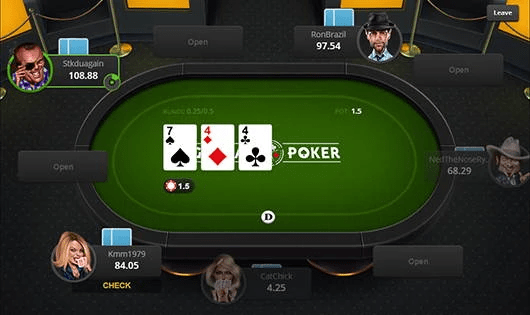
Online gambling can be relatively safe when you use a legal, licensed platform and take deliberate steps to protect your money, privacy, and wellbeing. It is never risk-free: the house advantage means most players lose over time, and unregulated sites can expose you to fraud or withheld withdrawals.
What “safe” really means
A safe online gambling experience has two separate parts: choosing a legitimate operator and managing the financial and behavioral risks of gambling itself. A secure website does not make betting profitable or eliminate the chance of losing money.
Legitimate platforms generally use encryption to protect personal and payment data, verify customers’ age and identity, and provide responsible-gambling controls such as deposit, loss, and time limits.
Choose a trustworthy site
Before creating an account or depositing money, verify that the operator is legally available in your jurisdiction and clearly identifies its regulator. In the United States, legal platforms commonly use geolocation and identity verification to confirm eligibility and prevent fraud.
Look for these signs before signing up:
A visible, verifiable gambling license and regulator.
Clear terms, payment rules, and withdrawal procedures.
Strong account security, including unique passwords and multi-factor authentication where available.
Responsible-play tools such as spending limits, session reminders, and self-exclusion.
A credible reputation, with attention to complaints about delayed or blocked withdrawals.
Avoid sites that make licensing information hard to find, promise guaranteed wins, or offer bonuses with vague or restrictive conditions. Fake apps and phishing messages can imitate well-known gambling brands to steal logins and payment details.
Protect your money and data
Use a strong, unique password for the gambling account and enable multi-factor authentication if the site offers it. Do not share login details, identification documents, or banking information through email, text, or social media.
Avoid clicking gambling links sent unexpectedly; instead, type the operator’s address directly into your browser or use its official app from a recognized app store. Keep your device software updated, monitor bank and gambling accounts for unusual activity, and avoid making deposits or withdrawals over public Wi-Fi.
Manage the gambling risk
The most important safeguard is a limit set before you begin. Decide in advance how much money you can afford to lose and how much time you will spend, then use the platform’s built-in controls to enforce those boundaries.
Treat gambling as paid entertainment, not income or a way to recover losses.
Never wager money needed for rent, food, bills, or debt payments.
Do not borrow money to gamble.
Avoid gambling while stressed, upset, intoxicated, or trying to escape a problem.
Take regular breaks and stop if gambling begins to affect relationships, work, sleep, or finances.
Online betting can make losses happen faster than in-person gambling because deposits and bets are only a few taps away. That convenience makes pre-set limits especially important.
When to step back
Warning signs include hiding gambling from others, chasing losses, spending money needed for essentials, or letting betting take over time normally spent with family, friends, or work. If any of these apply, pause, use a blocking tool such as Gamban or BetBlocker, and consider support from a problem-gambling service or Gamblers Anonymous.
Bottom line
Online gambling can be safe for an adult using a legal, regulated platform with strong security and firm personal limits. But it is inherently risky: outcomes favor the operator over time, and the wrong site can put both money and personal data at risk.
richsweeps
Do Online Casinos Really Pay Out Real Money? The Truth Revealed
Has Anyone Won Big on Online Gambling? Real Wins and What They Mean
Which Countries Can Play WPTGlobal in 2024?
WPT Global Withdrawal Guide: Cashing Out Made Simple
Safest New Online Casinos USA 2026: Top 4 Trusted Sites
How to Qualify for WPT Live Events Online in 2025
How the IRS REALLY Knows If You Won Money Gambling Online (2026)
Where Is Online Gambling Illegal in the USA? 2026 Complete State List
スマスロで面白い台は?好み別の選び方を紹介
Shevliakov’s Comeback Wins Million-Euro Prize! How Did an Amateur Shock Everyone at the EPT Monte Carlo?
richsweeps
パチンコ95000発規制はいつまで?コンプリート機能の最新情報を解説
Eligible Countries for EVERYGAME Poker: Join the Action with bonus code
WPT Global Spring Festival: $7000000 Guaranteed Prize Pool
Use WPT Global Passport Dollars to Enter Triton High-Stakes Events
How to Win at Online Blackjack: Strategies for 2025
What is the origin of the name Roulette?
How Online Scams Work
15 Red Flags That Prove a Website Is Scamming You (Spot Them Now)
How to Tell If an Online Casino Is Legit
WPT Global Tournament Schedule 2025
richsweeps casino
What is a Rake Chase?
Everygame Poker Review: Your Guide to Online Poker
The best guide: how to playing poker online
Top Legit US Online Casinos 2026: Safe & Licensed Winners
Safest New Online Casinos USA 2026: Top Secure Sites Revealed
WPT Global Now Title Sponsor For Triton Poker Super High Roller Series
Rich Sweeps Casino Review: Safety Games Account Rules and Player Checklist
Is Online Gambling a Growing Public Health Issue in the US?
Spot Scams Fast: Save Your Cash Now
Golden Bounty Championship: Your Weekly Shot at $100K on WPT Global
rich sweeps casino
A Woman’s Guide to Selecting the Perfect Sex Toy
Most Trusted Online Casino: WPT Global
Frank Stepuchin Leads 2024 WPT Seminole RRPO After Day 1
Can You Play Real Money Online Casinos in the USA? A State-by-State Guide
What is Hyper Dash in WPT Global?Dive into Quick Thrilling Poker Action!
How to Spot Fake Casinos
Do Online Casinos Pay Out?
スマスロ ミリオンゴッド導入日と見どころ
The Daily Prime Tournaments from WPT Global
2025年10月スロット新台一覧|鬼武者3・バベル・主役は銭形5を徹底解説
FAQ
richsweeps casino
Timothy Chung: From Birthday Party to WPT Prime UK Champion
WPT Global: The Premier Choice for Poker Players
How to Spot Signs of Casino Scams and Rigged Platforms in the USA
New Gambling Law for 2026: The 90% Loss Deduction Rule
Top Online Poker Tournaments to Watch and Play in 2025
Do Online Casinos Pay Out?
WPT Global Spring Festival: $7000000 Guaranteed Prize Pool
Eligible Countries for EVERYGAME Poker: Join the Action with bonus code
rich sweeps casino
Rich Sweeps Casino Review: Safety Games Account Rules and Player Checklist
How has technology influenced the game of roulette?
What role did roulette play in popular culture such as movies and literature?
Golden Bounty Championship: Your Weekly Shot at $100K on WPT Global
Has Anyone Won Big on Online Gambling? Real Wins and What They Mean
スロットで1万円で勝てる設定は?
Do Online Casinos Track Your Play?
Top Online Poker Tournaments to Watch and Play in 2025
4 Scams That Steal Millions in 2026 – Protect Yourself Now
Top Online Casino Apps of 2025
richsweeps casino
Can I Play GGPoker in the US?
WPT Global vs GGPoker: Which Poker Platform Should You Choose in 2025?
Has Anyone Won Big on Online Gambling? Real Wins and What They Mean
How to Check if a Casino Is Legit
The best guide: how to playing poker online
WPT Globals New Welcome Bonus: Up to $3580 in Rewards
No Deposit Free Spins at WPT Global – Play Without Spending
Brazilian Rising Star Shocks Everyone by Winning Million-Euro Prize in Monte Carlo Poker World Welcomes a Super Dark Horse!
Are Online Casinos Safe to Play? The 2026 Truth Revealed
Spot a Scam Fast: Key Signs and Verification Tricks
rich sweeps
WPT Global Tournament Schedule 2025
Do Online Casinos Really Pay Out Real Money? The Truth Revealed
When Was Online Gambling Banned in the USA? The Shocking Truth Revealed
Phil Ivey Hosts Festive Meet-Up Game at Wynn Las Vegas This December
When and where was the game of roulette first played?
How the IRS REALLY Knows If You Won Money Gambling Online (2026)
スマスロ ミリオンゴッド導入日と見どころ
スマスロで面白い台は?好み別の選び方を紹介
WPT World Championship 2024 Kicks Off at Wynn Las Vegas: What to Expect
7 Dead-Simple Ways to Spot Legit Online Casinos (No More Scams!)
richsweeps
Is Online Poker Rigged?
WPT Global: The Premier Choice for Poker Players
Rich Sweeps Casino Review: Safety Games Account Rules and Player Checklist
Rich Sweeps Casino Guide: Platform Account Games and How It Works
Martin Tsvetanov Wins Record-Breaking Eureka Main Event at EPT Prague
4 Scams That Steal Millions in 2026 – Protect Yourself Now
Safest Online Gambling Guide
WPT World Championship 2024 Kicks Off at Wynn Las Vegas: What to Expect
How to Spot a Scammer
Who Regulates Online Gambling in the US?
rich sweeps casino
WSOP USA Top 8 FAQ
WPT Global ¥110 CN¥ Million Sunday Hyper PKO Showdown
One Shot – Freezeout Tournament by WPT Global
Will Cash App Refund Scammed Money?
How to Gamble Safely Online: Tips to Stay in Control
Top 10 Scams to Watch Out For in 2026
Eligible Countries for EVERYGAME Poker: Join the Action with bonus code
Rich Sweeps Casino Guide: Platform Account Games and How It Works
A Woman’s Guide to Selecting the Perfect Sex Toy
How to Spot Signs of Casino Scams and Rigged Platforms in the USA
How to Gamble Safely Online: Tips to Stay in Control
Online gambling can be fun and convenient, but it can also become risky if you don’t set clear limits. In 2023, the UK Gambling Commission found that around 13% of online gamblers reported spending more than they intended, highlighting how easy it is to lose track of money. To stay safe, treat gambling as entertainment, not a way to make money, and decide in advance how much you are comfortable spending and for how long you will play.
richsweeps casino
Golden Bounty Championship: Your Weekly Shot at $100K on WPT Global
Everygame Poker Review: Your Guide to Online Poker
WPT Global Casino: A Fun-Filled Adventure
How to Spot a Fake Online Casino in 2026
How Players End Up in Online Casino Scams in the USA
WPT Global Spring Festival: $7000000 Guaranteed Prize Pool
Who Regulates Online Gambling in the USA?
How to Spot Casino Scams: Online Gambling Safety USA Checklist for Players
When and where was the game of roulette first played?
Which Countries Can Play WPTGlobal in 2024?
richsweeps casino
The best guide: how to playing poker online
WPT Globals New Welcome Bonus: Up to $3580 in Rewards
Top 5 Online Casinos of 2025: Where to Play and Win Big
How has technology influenced the game of roulette?
When Was Online Gambling Banned in the USA? The Shocking Truth Revealed
How to Spot a Fake Online Casino in 2026
Most Trusted Online Casino: WPT Global
The Thrilling Race for WPT Season 22 Player of the Year at Wynn Las Vegas
How to Win at Online Blackjack: Strategies for 2025
How to Spot a Scammer
richsweeps
WPT Globals New Welcome Bonus: Up to $3580 in Rewards
How to Win at Online Slots in 2025 with WPT Global
319回転で当たる確率
【2026年11月】今スマスロで打つなら何がいい?おすすめ機種ランキング
How to Start Playing Online Poker in 2025: A Beginner’s Guide
Qualify for Red Dragon Poker Tour Jeju 2025 via WPT Global Satellites
The best guide: how to playing poker online
Play Online Poker on Android: The 2025 Guide
How to Spot a Fake Gambling Site
WPT Global Withdrawal Guide: Cashing Out Made Simple
rich sweeps casino
WPT Global Cow Boy:A Players Perspective
How to Download WSOP NV
7 Dead-Simple Ways to Spot Legit Online Casinos (No More Scams!)
How to Qualify for WPT Live Events Online in 2025
How to Spot Casino Scams: Online Gambling Safety USA Checklist for Players
How to Tell if an Online Casino Is Real or Fake
Most Common Online Scams
スマスロ ミリオンゴッド導入日と見どころ
Where Can You Play WPT Global? Supported Countries & Platform Highlights
Why Online Casino Scams and Legitimate Platforms Look Similar Over Time
How to Check if a Casino Is Legit
1. Check the casino license A legit casino should clearly show its license in the footer, terms page, or “About” page. The safest casinos list the regulator’s name, license number, and the company that owns the site, so you can verify those details on the regulator’s official website. If a casino hides this information, uses vague claims like “fully approved,” or gives a license that cannot be checked, treat that as a serious warning sign.
rich sweeps
A Woman’s Guide to Selecting the Perfect Sex Toy
15 Red Flags That Prove a Website Is Scamming You (Spot Them Now)
How to Tell If an Online Casino Is Legit
WPT Global Cow Boy:A Players Perspective
Has Anyone Won Big on Online Gambling? Real Wins and What They Mean
WPT Global ¥110 CN¥ Million Sunday Hyper PKO Showdown
What is Hyper Dash in WPT Global?Dive into Quick Thrilling Poker Action!
How to Avoid Casino Scams: 9 Warning Signs
パチンコ95000発規制はいつまで?コンプリート機能の最新情報を解説
Spot Scams Fast: Save Your Cash Now
richsweeps casino
One Shot – Freezeout Tournament by WPT Global
Timothy Chung: From Birthday Party to WPT Prime UK Champion
スマスロ ヴヴヴ2はいつ導入?
Doug Polk Faces Backlash Over Playing in His Own Tournaments at The Lodge
The Daily Prime Tournaments from WPT Global
Why Online Casino Scams and Legitimate Platforms Look Similar Over Time
Online Casino Scams Explained: How to Spot Casino Scams and Improve Online Gambling Safety in the USA
How the IRS REALLY Knows If You Won Money Gambling Online (2026)
Will Cash App Refund Scammed Money?
No Deposit Free Spins at WPT Global – Play Without Spending
rich sweeps
Who Regulates Online Gambling in the USA?
WPT Global: The Premier Choice for Poker Players
How did the introduction of online casinos impact the game of roulette?
How to Spot a Fake Online Casino in 2026
Why Normal Casino Behavior Is Often Mistaken for Online Scams
Paulius Plausinaitis Wins GGMillion$ SHR for $315054
WPT World Championship 2024 Kicks Off at Wynn Las Vegas: What to Expect
$20 Casino Method Explained
WPT Global Newest Promo: Ticket to Some Additional Play Money
Golden Bounty Championship: Your Weekly Shot at $100K on WPT Global
rich sweeps
Safest Online Gambling Guide
WPT Global Spring Festival: $7000000 Guaranteed Prize Pool
How to Tell If an Online Casino Is Rigged
Online Casino Scams Explained: Common Patterns in the USA
Cory Zeidman Pleads Guilty to Sports Betting Fraud Scheme
319回転で当たる確率
Is Your Online Casino Rigged? 8 Red Flags That Will Save You
New Rules for WSOP Paradise: Electronic Devices and Real-Time Assistance
Spot Scams Fast: Save Your Cash Now
WPT Globals New Welcome Bonus: Up to $3580 in Rewards
Online Casino Scams FAQ: How to Spot Casino Scams Rigged Signs and Blacklisted Sites
Online Casino Scams FAQ: How to Spot Casino Scams, Rigged Signs, and Blacklisted Sites Online Casino Scams Explained Q: What are online casino scams?
A: Online casino scams are dishonest or misleading gambling-related schemes that may involve fake casino websites, unclear bonus traps, withdrawal refusal, fake support agents, misleading payment requests, or unlicensed platforms pretending to be legitimate casinos.
Q: Are all online casinos scams?
A: No. Not all online casinos are scams.
richsweeps casino
Bitstarz no deposit bonus up to 5 BTC and 200 free spins
Timothy Chung: From Birthday Party to WPT Prime UK Champion
WSOP USA Top 8 FAQ
スロットで1万円で勝てる設定は?
WPT Global No Deposit Bonus 2025 – Try Real Online Poker Risk-Free
Has Anyone Won Big on Online Gambling? Real Wins and What They Mean
VPN for Online Gambling: Will It Work in 2026?
Safest New Online Casinos USA 2026: Top Secure Sites Revealed
Do Online Casinos Really Pay Out Real Money? The Truth Revealed
2025年2月新台パチンコ一挙公開!注目機種と導入スケジュールまとめ
rich sweeps casino
Top 10 Scams to Watch Out For in 2026
What were the original rules and betting options for roulette?
Timothy Chung: From Birthday Party to WPT Prime UK Champion
90% of Gamblers Quit Before They Hit It Big? The Truth Exposed
Qualify for Red Dragon Poker Tour Jeju 2025 via WPT Global Satellites
What is the future of the game of roulette?
What is TP in WPT poker?
Martin Tsvetanov Wins Record-Breaking Eureka Main Event at EPT Prague
Eligible Countries for EVERYGAME Poker: Join the Action with bonus code
Brazilian Rising Star Shocks Everyone by Winning Million-Euro Prize in Monte Carlo Poker World Welcomes a Super Dark Horse!
richsweeps
Are Casinos Rigged? 7 Clear Signals to Watch For
How to Win at Online Blackjack: Strategies for 2025
Bitstarz no deposit bonus up to 5 BTC and 200 free spins
WSOP USA Top 8 FAQ
New Gambling Law for 2026: The 90% Loss Deduction Rule
WPT World Championship 2024 Kicks Off at Wynn Las Vegas: What to Expect
How to Spot a Fake Online Casino in 2026
Top Legit US Online Casinos 2026: Safe & Licensed Winners
Top 10 Scams to Watch Out For in 2026
How to Avoid Casino Scams: 9 Warning Signs
rich sweeps
Qualify for Red Dragon Poker Tour Jeju 2025 via WPT Global Satellites
What is the future of the game of roulette?
15 Red Flags That Prove a Website Is Scamming You (Spot Them Now)
The Daily Prime Tournaments from WPT Global
Casino 12-Hour Rule Explained
Top 5 Online Casinos of 2025: Where to Play and Win Big
Cory Zeidman Pleads Guilty to Sports Betting Fraud Scheme
What is a Rake Chase?
When and where was the game of roulette first played?
One Shot – Freezeout Tournament by WPT Global
What Is the $20 Method at a Casino?
The $20 method at a casino is a simple way to play with a small budget while keeping your losses under control and giving yourself a chance to walk away with a small win. Instead of throwing a big pile of cash into one machine or one bet, you split your money into $20 chunks and treat each chunk as its own mini‑session. For example, if you bring $100 to the casino, you would think of it as five separate $20 sessions.
rich sweeps
How to Win at Online Blackjack: Strategies for 2025
スマスロ ミリオンゴッド導入日と見どころ
Can Foreigners Gamble in the US? Complete 2026 Guide for International Visitors
Where Can You Play WPT Global? Supported Countries & Platform Highlights
How to Spot Casino Scams: Online Gambling Safety USA Checklist for Players
WPT Prime Championship Returns with Jereld Sam Shining
How to Tell If an Online Casino Is Rigged
Online Casino Scams FAQ: How to Spot Casino Scams Rigged Signs and Blacklisted Sites
Play Online Poker on Android: The 2025 Guide
WPT World Championship 2024 Kicks Off at Wynn Las Vegas: What to Expect
rich sweeps
Exposed: How Gambling Scams Steal Your Money
スマスロ ミリオンゴッド導入日と見どころ
Has Anyone Won Big on Online Gambling? Real Wins and What They Mean
Shevliakov’s Comeback Wins Million-Euro Prize! How Did an Amateur Shock Everyone at the EPT Monte Carlo?
Is Online Gambling a Growing Public Health Issue in the US?
Rich Sweeps Casino Guide: Platform Account Games and How It Works
Online Casino Scams Explained: How to Spot Casino Scams and Improve Online Gambling Safety in the USA
Use WPT Global Passport Dollars to Enter Triton High-Stakes Events
Where Is Online Gambling Illegal in the USA? 2026 Complete State List
How Secure Is Online Gambling? Safety Tips to Know
rich sweeps casino
Online Casino Scams Explained: How to Spot Casino Scams and Improve Online Gambling Safety in the USA
How to Check if a Casino Is Legit
Why Online Casino Scams and Legitimate Platforms Look Similar Over Time
New Rules for WSOP Paradise: Electronic Devices and Real-Time Assistance
Qualify for Red Dragon Poker Tour Jeju 2025 via WPT Global Satellites
How to Start Playing Online Poker in 2025: A Beginner’s Guide
Most Common Online Scams
What are some famous roulette scandals and controversies throughout history?
WPT Global ¥110 CN¥ Million Sunday Hyper PKO Showdown
Rich Sweeps Casino Mobile Guide: Browser Access App Questions and Safe Mobile Play
rich sweeps
Paulius Plausinaitis Wins GGMillion$ SHR for $315054
How to Check if a Casino Is Legit
What are some famous roulette scandals and controversies throughout history?
WPT Global Tournament Schedule 2025
WPT Global Now Title Sponsor For Triton Poker Super High Roller Series
How to Tell if an Online Casino Is Real or Fake
80/20 Rule in Gambling: Focus Your Edge for Bigger Wins
How to Start Playing Online Poker in 2025: A Beginner’s Guide
WPT Global No Deposit Bonus 2025 – Try Real Online Poker Risk-Free
Who Regulates Online Gambling in the US?
New Gambling Law for 2026: The 90% Loss Deduction Rule
The new gambling law for 2026 changes how gamblers can deduct losses on their taxes. Starting with the 2026 tax year, people can only deduct 90% of gambling losses against gambling winnings, instead of deducting the full amount. For example, if someone wins $10,000 and loses $10,000, they may still have taxable income because only $9,000 of losses can be counted.
This matters because it can create a tax bill even when a person did not truly make money overall.
rich sweeps
Are Online Casinos Safe to Play? The 2026 Truth Revealed
Everygame Poker Review: Your Guide to Online Poker
How Secure Is Online Gambling? Safety Tips to Know
Most Trusted Online Casino: WPT Global
How Players End Up in Online Casino Scams in the USA
How to Tell if an Online Casino Is Real or Fake
Can Foreigners Gamble in the US? Complete 2026 Guide for International Visitors
What role did roulette play in popular culture such as movies and literature?
Is Online Poker Rigged?
How Online Scams Work
rich sweeps casino
WPT Global Newest Promo: Ticket to Some Additional Play Money
Top Legit US Online Casinos 2026: Safe & Licensed Winners
Rich Sweeps Casino Games Guide: Slots RTP Volatility and Game Rules Explained
No Deposit Free Spins at WPT Global – Play Without Spending
Has Anyone Won Big on Online Gambling? Real Wins and What They Mean
スマスロ ミリオンゴッド導入日と見どころ
How the IRS REALLY Knows If You Won Money Gambling Online (2026)
Bitstarz no deposit bonus up to 5 BTC and 200 free spins
WPT Global’s Sunday Hyper PKO Showdown: Low Buy-In High Excitement
WPT Global Now Title Sponsor For Triton Poker Super High Roller Series
rich sweeps casino
Online Casino Scams Explained: Common Patterns in the USA
Rich Sweeps Casino Games Guide: Slots RTP Volatility and Game Rules Explained
No Deposit Free Spins at WPT Global – Play Without Spending
Frank Stepuchin Leads 2024 WPT Seminole RRPO After Day 1
Top Legit US Online Casinos 2026: Safe & Licensed Winners
This violates content policies.
richsweeps casino
Online Casino Scams FAQ: How to Spot Casino Scams Rigged Signs and Blacklisted Sites
Shevliakov’s Comeback Wins Million-Euro Prize! How Did an Amateur Shock Everyone at the EPT Monte Carlo?
US Online Gambling: Where You Can Play & What’s Legal Today
No Deposit Free Spins at WPT Global – Play Without Spending
When and why was the double zero added to the American roulette wheel?
Why Normal Casino Behavior Is Often Mistaken for Online Scams
WPT Global: The Premier Choice for Poker Players
VPN for Online Gambling: Will It Work in 2026?
Frank Stepuchin Leads 2024 WPT Seminole RRPO After Day 1
Phil Ivey Hosts Festive Meet-Up Game at Wynn Las Vegas This December
richsweeps
Is Your Money Safe? Online Casino Security Exposed
How to Download WSOP NV
WPT Global: The Premier Choice for Poker Players
Safest New Online Casinos USA 2026: Top Secure Sites Revealed
Who Regulates Online Gambling in the US?
8 Common Online Scams and How to Spot Them
80/20 Rule in Gambling: Focus Your Edge for Bigger Wins
4 Scams That Steal Millions in 2026 – Protect Yourself Now
Why Online Casino Scams and Legitimate Platforms Look Similar Over Time
How Online Scams Work
rich sweeps casino
How to Gamble Safely Online: Tips to Stay in Control
What is TP in WPT poker?
New Gambling Law for 2026: The 90% Loss Deduction Rule
Has Anyone Won Big on Online Gambling? Real Wins and What They Mean
11 best poker apps and games for Android
Eligible Countries for EVERYGAME Poker: Join the Action with bonus code
Brazilian Rising Star Shocks Everyone by Winning Million-Euro Prize in Monte Carlo Poker World Welcomes a Super Dark Horse!
スロットで1万円で勝てる設定は?
Top 3 Scams to Watch For and How to Avoid Them
How to Check if a Casino Is Legit
rich sweeps
Do Online Casinos Really Pay Out Real Money? The Truth Revealed
WPT World Championship 2024 Kicks Off at Wynn Las Vegas: What to Expect
How the IRS REALLY Knows If You Won Money Gambling Online (2026)
Top 10 Scams to Watch Out For in 2026
4 Scams That Steal Millions in 2026 – Protect Yourself Now
How to Spot an Online Scammer: 6 Red Flags
Paulius Plausinaitis Wins GGMillion$ SHR for $315054
スロットで1万円で勝てる設定は?
Online Casino Scams Explained: Common Patterns in the USA
Doug Polk Faces Backlash Over Playing in His Own Tournaments at The Lodge
What are some famous roulette scandals and controversies throughout history?
What are some famous roulette scandals and controversies throughout history? 1. The Eudaemons – In the 1970s, a group of physics students at the University of California Santa Cruz used a computer to predict the outcomes of roulette games in Nevada casinos. They called themselves “The Eudaemons” and made significant profits before their operation was shut down.
2. The Ritz-Carlton Scandal – In 2004, a team of Eastern European gamblers used a laser scanner and a computer to predict where the ball would land on the roulette wheel at the Ritz-Carlton casino in London.
rich sweeps casino
Why Normal Casino Behavior Is Often Mistaken for Online Scams
WPT Global Cow Boy:A Players Perspective
How to Spot Fake Casinos
Rich Sweeps Casino Guide: Platform Account Games and How It Works
How Players End Up in Online Casino Scams in the USA
Exposed: How Gambling Scams Steal Your Money
WPT Global Spring Festival: $7000000 Guaranteed Prize Pool
When and where was the game of roulette first played?
How to Tell if an Online Casino Is Real or Fake
Rich Sweeps Casino Review: Safety Games Account Rules and Player Checklist
richsweeps casino
80/20 Rule in Gambling: Focus Your Edge for Bigger Wins
Who Regulates Online Gambling in the USA?
Is Your Online Casino Rigged? 8 Red Flags That Will Save You
WPT Global Newest Promo: Ticket to Some Additional Play Money
Online Casino Scams Explained: How to Spot Casino Scams and Improve Online Gambling Safety in the USA
Scammer Red Flags: How to Spot Fraud Fast
New Gambling Law for 2026: The 90% Loss Deduction Rule
Everygame Poker Review: Your Guide to Online Poker
2025年2月新台パチンコ一挙公開!注目機種と導入スケジュールまとめ
WPT Global Tournament Schedule 2025
richsweeps
Has Anyone Won Big on Online Gambling? Real Wins and What They Mean
80/20 Rule in Gambling: Focus Your Edge for Bigger Wins
Casino 12-Hour Rule Explained
How to Tell If an Online Casino Is Legit
Scammer Red Flags: How to Spot Fraud Fast
Frank Stepuchin Leads 2024 WPT Seminole RRPO After Day 1
How Online Scams Work
Online Gambling Safety USA FAQ: Casino Scam Signs Checker Tools and Safer Player Habits
Rich Sweeps Casino Mobile Guide: Browser Access App Questions and Safe Mobile Play
WPT Global: The Premier Choice for Poker Players
rich sweeps
How to Spot Signs of Casino Scams and Rigged Platforms in the USA
WPT Global ¥110 CN¥ Million Sunday Hyper PKO Showdown
When Was Online Gambling Banned in the USA? The Shocking Truth Revealed
Why Online Casino Scams and Legitimate Platforms Look Similar Over Time
スマスロ ヴヴヴ2はいつ導入?
Spot a Scam Fast: Key Signs and Verification Tricks
Online Casino Welcome Bonus No Deposit 2025
Can Online Slots Be Manipulated? Truth & Safety Tips
How the IRS REALLY Knows If You Won Money Gambling Online (2026)
Rich Sweeps Casino Games Guide: Slots RTP Volatility and Game Rules Explained
Rich Sweeps Casino – Games, Account & Player Guide
Lithuanian poker player Paulius Plausinaitis triumphs in the GGMillion$ Super High Roller Championship securing a $315054 prize on his first final table appearance
Want to play online poker on your Android phone or tablet? Heres a 2025 guide to the best apps features and how WPT Global makes mobile poker easy and secure.
WSOP bracelet winner Cory Zeidman has pleaded guilty to conspiracy and wire fraud charges in connection with a $25 million sports betting fraud scheme.
The game as we know it today first appeared in Paris in 1796 and quickly gained popularity throughout Europe especially in the casinos of Monte Carlo. The addition of the zero by Francois and Louis Blanc in the mid-19th century helped to increase the house edge and make the game more profitable for casinos.
Learn the 7 clear warning signs that reveal if a casino is rigged. From fake licenses to withdrawal problems discover how to spot rigged casinos and protect your money before you play.
Online Casino Scams and Gambling Safety in the USA Explained
Rich Sweeps Casino – Games, Account & Player Guide
Rich Sweeps Casino – Games, Account & Player Guide
richsweeps
Is Global Poker Real Money?
Will Cash App Refund Scammed Money?
How Secure Is Online Gambling? Safety Tips to Know
11 best poker apps and games for Android
Can Online Slots Be Manipulated? Truth & Safety Tips
Phil Ivey Hosts Festive Meet-Up Game at Wynn Las Vegas This December
Most Trusted Online Casino: WPT Global
Is Global Poker Legit?
Is Your Money Safe? Online Casino Security Exposed
Use WPT Global Passport Dollars to Enter Triton High-Stakes Events
rich sweeps
スマスロ ヴヴヴ2はいつ導入?
VPN for Online Gambling: Will It Work in 2026?
Where Can You Play WPT Global? Supported Countries & Platform Highlights
What is the origin of the name Roulette?
Everygame Poker Review: Your Guide to Online Poker
8 Common Online Scams and How to Spot Them
What is TP in WPT poker?
15 Red Flags That Prove a Website Is Scamming You (Spot Them Now)
Most Trusted Online Casino: WPT Global
WPT Global Withdrawal Guide: Cashing Out Made Simple
richsweeps
Who Regulates Online Gambling in the USA?
What is TP in WPT poker?
Safest New Online Casinos USA 2026: Top Secure Sites Revealed
Is Online Gambling a Growing Public Health Issue in the US?
Online Casino Scams FAQ: How to Spot Casino Scams Rigged Signs and Blacklisted Sites
Bitstarz no deposit bonus up to 5 BTC and 200 free spins
Eligible Countries for EVERYGAME Poker: Join the Action with bonus code
Spot a Scam Fast: Key Signs and Verification Tricks
Why Online Casino Scams Follow Structural Patterns in the USA
スロットで1万円で勝てる設定は?
richsweeps casino
2025年2月新台パチンコ一挙公開!注目機種と導入スケジュールまとめ
How to Win at Online Slots in 2025 with WPT Global
Doug Polk Faces Backlash Over Playing in His Own Tournaments at The Lodge
How to Tell If a Gambling Site Is Legit
7 Deadly Signs Your Casino Is Rigged (Stop Playing Now!)
How to Gamble Safely Online: Tips to Stay in Control
【2026年11月】今スマスロで打つなら何がいい?おすすめ機種ランキング
WSOP USA Top 8 FAQ
Is Global Poker Real Money?
WPT Global Million Sunday Hyper PKO Showdown: Event Details & Guide
Rich Sweeps Casino – Games, Account & Player Guide
Play Now richsweeps
Rich Sweeps Casino – Games, Account & Player Guide
rich sweeps casino
Who Has the Most WSOP Bracelets?
How to Tell if an Online Casino Is Real or Fake
WPT Global vs GGPoker: Which Poker Platform Should You Choose in 2025?
Top 5 Scams of 2026: Imposter Crypto Phishing Deepfake & Romance
How to Qualify for WPT Live Events Online in 2025
Everygame Poker Review: Your Guide to Online Poker
Safest New Online Casinos USA 2026: Top 4 Trusted Sites
2025 WSOP Explosion! New Formats + Huge Prizes Poker Players Must Not Miss It!
【2026年】ジャグラー新台は『マイジャグラーⅥ』!導入日・スペックまとめ
WPT Global Newest Promo: Ticket to Some Additional Play Money
richsweeps casino
Most Common Online Scams
WPT Global Tournament Schedule 2025
319回転で当たる確率
Has Anyone Won Big on Online Gambling? Real Wins and What They Mean
Is Global Poker Legit?
How to Gamble Safely Online: Tips to Stay in Control
How has technology influenced the game of roulette?
7 Dead-Simple Ways to Spot Legit Online Casinos (No More Scams!)
How to Tell If an Online Casino Is Rigged
The best guide: how to playing poker online
Rich Sweeps Casino – Games, Account & Player Guide
rich sweeps
Who invented the game of roulette?
Martin Tsvetanov Wins Record-Breaking Eureka Main Event at EPT Prague
Which Countries Can Play WPTGlobal in 2024?
WPT Global Bonus Terms: Cashing In Made Simple
Most Trusted Online Casino: WPT Global
Is Your Online Casino Rigged? 8 Red Flags That Will Save You
Are Online Casinos Safe to Play? The 2026 Truth Revealed
Scammer Red Flags: How to Spot Fraud Fast
Online Casino Scams FAQ: How to Spot Casino Scams Rigged Signs and Blacklisted Sites
Top Online Poker Tournaments to Watch and Play in 2025
rich sweeps
Rich Sweeps Casino Guide: Platform Account Games and How It Works
Is Your Online Casino Rigged? 8 Red Flags That Will Save You
Martin Tsvetanov Wins Record-Breaking Eureka Main Event at EPT Prague
Golden Bounty Championship: Your Weekly Shot at $100K on WPT Global
Is Online Poker Rigged?
2025年2月新台パチンコ一挙公開!注目機種と導入スケジュールまとめ
Is Your Money Safe? Online Casino Security Exposed
WPT Global Cow Boy:A Players Perspective
Qualify for Red Dragon Poker Tour Jeju 2025 via WPT Global Satellites
WPT Prime Championship Returns with Jereld Sam Shining
Discover practical ways to gamble safely online including setting limits using responsible-gambling tools protecting your privacy and knowing when to get help.
Online gambling can be fun and convenient, but it can also become risky if you don’t set clear limits. In 2023, the UK Gambling Commission found that around 13% of online gamblers reported spending more than they intended, highlighting how easy it is to lose track of money. To stay safe, treat gambling as entertainment, not a way to make money, and decide in advance how much you are comfortable spending and for how long you will play.
1. Check the casino license A legit casino should clearly show its license in the footer, terms page, or “About” page. The safest casinos list the regulator’s name, license number, and the company that owns the site, so you can verify those details on the regulator’s official website. If a casino hides this information, uses vague claims like “fully approved,” or gives a license that cannot be checked, treat that as a serious warning sign.